
Fishing and Farming- Iasgach is Tuathanas
Fishing
The east coast fishery became so important in the early-mid 19th century that it triggered an increase in the general population with fishermen and their families relocating to the villages along the Cromarty Firth and many others making it their temporary home during the herring fishing season.
The Ross family home was two and a half miles southwest of Balintore where the thriving white fish and salmon fishery was the mainstay of the local economy and rich village culture. It was greatly bolstered by the short but economically productive herring fishery. In 1892, a new harbour was built providing a safe haven for local fishing boats.
The Herring Fleet
As a youth, John Ross watched the fleets of herring boats returning to the village harbours with their catch where teams of
The children’s missionary magazines were full of stories that sparked the desire for travel young women were employed gutting, salting and packing the fish into barrels for exporting abroad. The bay was a hive of activity with ships arriving from the continent laden with merchandise and goods, leaving with cargoes of herring; thousands of barrels at a time.
over the high seas, describing vivid “scenes of travel and adventure in foreign Lands” in words and pictures. These stories would soon become a reality for John Ross.
The Tragedy of the Linnet
On 8th February 1843, the Seaboard villages were deeply shaken by the tragic news that seven local men had drowned after being caught in a severe storm, while undertaking salvage operations on the ship wreck of the “Linnet”, a schooner form Sunderland wrecked off the coast at Hilton.
In the October of the previous year Frank Skinner, one of the men who drowned while salvaging the wreck, saved the life of the Captain when the boat first got into trouble and in recognition the captain presented Mr Skinner with a gold ring which was inherited by his daughter Sophia, after her father’s untimely death. It was probably Sophia who had the ring engraved with the initials “SS”. The ring has been passed down through the family as a treasured keepsake and reminder of this terrible event which was part of the daily perils for seafaring communities.
Farming
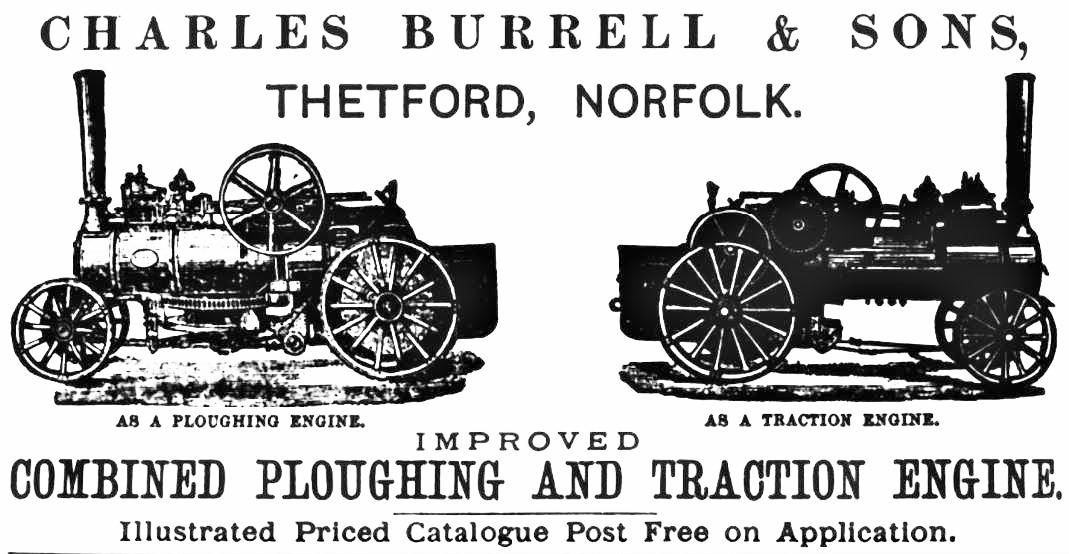
The great tenant farms of Easter Ross with their regimented stone walls and neatly ploughed fields of wheat were an innovation of the early 19th century agriculture improvers, who implemented great change during the infamous Highland Clearances. Improved farmland was the testing ground for new innovations in agricultural technology including steam driven ploughs operated by the “Easter Ross Steam Plough Company”, that could do the work of several men and horses.
In 1835, the district of Easter Ross and the vicinity of Inverness and Beauly exported more than 381 tonnes of wheat annually alone. Farming communities that had become over-reliant on potatoes saw their crops devastated through potato blight. In 1846, a local newspaper reported that “the existing disease in the potatoes in this county, already affects half the whole crop”. It put great strain on farm labourers who were encouraged to find employment elsewhere in Scotland.
Easter Ross Cattle Show
The most important event in the farming calendar was the “Easter Ross Farmer’s Club Cattle Show” at the Royal Academy Grounds, Tain. John Ross later remarked about the similarities between the Shorthorn Highland bulls and the large Korean bull, which were a familiar sight on his evangelical travels across Northeast China.
The arrival of the railway was another major change that opened trade links with southern markets and created employment and new enterprising opportunities.
John spent the remainder of his formative years in a rapidly changing and developing environment where the future was full of new challenges and possibilities.
Cholera
In 1832, Scotland was struck with a devastating Cholera epidemic, caused by contaminated food and drink. It spread quickly through overcrowded towns and busy fishing ports and within a few weeks it had reached the coast of Easter Ross The small close knit fishing villages of Hilton, Balintore and Shandwick were hit hard and the local authorities struggled to control the spread of disease.
The members of the Board of Health at Fearn acted quickly, circulating public notices with preventative measures to slow down the levels of transmission, encouraging self-isolation, social distancing and regular sanitisation. The levels of mortality were high, but by the end of the summer the height of the disease had passed and communities gradually began to get back to normal.
John no doubt heard about this tragic episode from his father Hugh, who was a young man at the time. It would prepare John for the sad fate that would befall members of his own family when he became a missionary in China.
“The tenants’ houses became foul dens of the disease and were set on fire and burnt to the ground. Around the infected villages of Hilton and Balintore the country people had drawn a sanitary boundary and were cooped up within the limits of their respective villages”
Scenes and Legends from the North of Scotland
Hugh Miller, 1834
Leave A Message
Reach Us
Seaboard Memorial Hall Ltd
East Street, Balintore, Highland, IV20 1UA
01862 832888
Company Ltd by Guarantee SC217924 & Scottish Charity SC025484